Infrared vs Propane Patio Heaters: Which Is Better? (October 2026)
For an infrared vs propane patio heater choice, pick electric infrared for nearby seating with outlet access or propane for an open outdoor gathering area where clearances and tank handling work.
On this page (10 sections)
- Infrared vs propane patio heater: what is the main difference?
- Which type warms your seats better?
- Which of these heaters should you buy or skip?
- What should you check before setting up either type?
- How do running costs and heat-output numbers compare?
- What safety features and weather protection matter?
- What care keeps each heater ready to use?
- Which buying mistakes should you avoid?
- Which type fits your patio and routine?
- Make your infrared vs propane patio heater choice
Choose electric infrared for nearby seating with a suitable outlet and propane for an open outdoor gathering area where you can meet clearances and manage a tank. The infrared vs propane patio heater decision starts with where people sit, not which heater has the biggest output number.
Infrared describes how heat travels, while propane describes a fuel. Propane patio heaters also give off radiant heat, so this guide compares electric infrared units with standing propane patio heaters.
Start by ruling out heaters that cannot fit your space safely. Then choose the size, controls and daily routine that match how you actually use the patio.
 Best for outdoor group seating
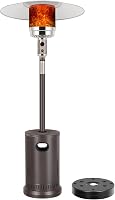
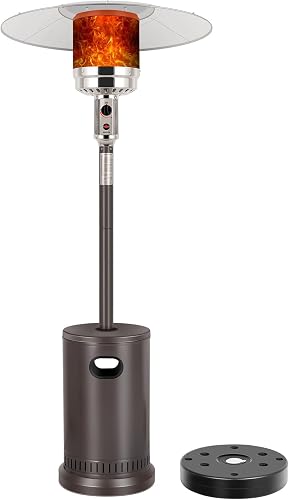
Hykolity 50,000 BTU Sand Box Patio Heater
 Best for regular patio breaks
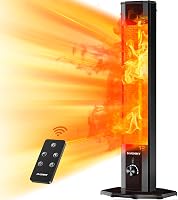
Hykolity 38.5-Inch Electric Patio Heater
Infrared vs propane patio heater: what is the main difference?
Electric infrared needs electrical power; propane needs a fuel tank and an outdoor location. Both can warm people through radiant heat, but their placement and upkeep needs differ.
An electric infrared heater directs warmth toward people and surfaces in front of its heating elements. It works well when you can keep occupied seats within that path.
A standing propane heater burns gas beneath a reflector and sends heat into the surrounding seating area. It avoids a heating cord but adds fuel connections, tank storage and refills.
Neither type turns an exposed patio into a warm indoor room. Choose a heater for the occupied part of your patio rather than expecting every corner to feel the same.
For a wider comparison of designs, see patio heaters: propane, electric and infrared explained. Our guide to propane and electric patio heaters covers the power-source choice across more styles.
Which type warms your seats better?
Choose electric infrared for a defined seating zone and consider propane for a more open gathering area. Distance, obstructions and wind matter as much as the size of the patio.
For infrared heat, picture a clear path from the heating elements to your body. A solid table, chair back or planter can block part of that path, leaving some seats warmer than others.
A heater beside a dining table may warm the nearest person while the person across from it feels little benefit. Check the intended direction and mounting position before deciding where it will stand.
Propane also needs thoughtful placement. People seated far from the heater may still feel cold, and placing it in the center of a gathering area only works if furniture and walkways remain clear.
Infrared vs propane for a small seating zone
Electric infrared is the better starting point for 1 or 2 fixed seats near an outlet. You can aim warmth at the occupied area without managing a gas tank each time you sit outside.
It particularly suits short coffee breaks or a regular reading chair. Skip a compact personal heater if your main goal is warming guests spread around several tables.
A small floor area doesn't automatically make a heater suitable for a balcony or covered porch. The required clearances may rule out the position you had in mind.
Propane for an open outdoor gathering area
Propane makes more sense when electrical access is poor and you have room for a standing heater. It suits a gathering area where people can sit around the heat source without crowding its base.
Wind still limits comfort and can create stability concerns. Don't solve an exposed location by enclosing a propane heater with curtains or screens that restrict ventilation or violate clearances.
Measure the occupied seating zone before shopping. The guide to what size patio heater you need helps connect those measurements with your heating goal.
Which of these heaters should you buy or skip?
Choose the Hykolity propane model for outdoor group seating, the Hykolity electric model for a regular powered seating spot, or the SereneLife for a small personal zone. Their different roles matter more than a simple ranking by output.
Hykolity propane: for a gathering area without outlet access
The Hykolity propane heater provides 50,000 BTU output, and Hykolity states coverage of up to 200 square feet. Its adjustable control valve lets you change the heat rather than always running at maximum.
One-press ignition simplifies starting, while wheels help with moving the heater after it has cooled. Its 33 lb weight still matters if storage requires steps, gravel or a narrow doorway.
Buy it if you have an open outdoor area, a suitable storage plan and enough room around a tall standing heater. Skip it for enclosed spaces, tight seating layouts or any location where tank handling will become a chore.
Hykolity electric: for a frequently used patio seat
The Hykolity electric heater has 2 heat levels, a remote and a 0–24 hour shut-off timer. Those controls suit a regular seating spot where you want to adjust heat without repeatedly getting up.
Its standing design requires clear floor space as well as suitable electrical access. Plan the cord route before buying, especially if chairs move during meals or children use the same walkway.
Choose it when you want a more adjustable personal seating setup. Skip it if reaching an outlet would require an unsafe cord route or if you expect one standing unit to warm a widely spread group.
SereneLife infrared: for a small personal zone
SereneLife states a heating area of 15 square feet, which points toward a small personal seating zone. Its remote lets you change settings from your chair.
The unit weighs 7.7 lb, making its physical handling less demanding than the propane model. You still need a stable position, clearances and a safe power connection wherever you move it.
Buy it for a single chair or similarly compact spot. Skip it for a full outdoor dining group, and don't choose it solely because its small base fits between pieces of furniture.
What should you check before setting up either type?
Confirm clearances, power or fuel access, and the route people take through the patio. Do this with chairs pulled out and doors open, rather than measuring an empty space.
Mark the proposed heater position and check its manual for distances above, beside and in front of it. Include cushions, umbrellas, hanging plants and furniture that may move during use.
A covered patio needs a separate placement check. Read whether a patio heater can go under a covered patio before assuming an open-sided roof is suitable.
Setting up electric infrared
Use a suitable outlet and keep the cord out of traffic. Follow the heater's electrical instructions, including requirements for outdoor connections and GFCI protection where applicable.
Don't run cords beneath rugs or through doors that can pinch them. Follow any restriction on extension cords rather than treating a longer cord as an automatic fix.
Check what else shares the circuit. A heater and another high-draw appliance can overload it; if a breaker trips, stop and resolve the cause rather than repeatedly resetting it.
Position the heater within its permitted distances, then adjust the seating layout around that safe position. Moving it too close to compensate for cold weather creates a clearance problem.
Setting up propane
Assemble and connect the heater exactly as its manual directs before ignition. Use the specified tank and follow the prescribed leak-check procedure after making connections.
Never check for leaks with a flame. If you smell gas, don't light the heater; shut off the supply if safe and follow the manual's response instructions.
Wheels are for moving a heater that is off and cool. Don't roll a burning unit toward guests or drag it by its hose.
How do running costs and heat-output numbers compare?
Compare energy use over the same number of hours and for the same seating task. A lower hourly cost offers little value if the heater doesn't warm the people using it.
At full power, the 1500W Hykolity uses 1.5 kWh in 1 hour, while the 900W SereneLife uses 0.9 kWh. Multiply that use by your electricity rate and expected operating hours.
Lower settings change the calculation. For brief patio visits, estimate the minutes you will actually use rather than budgeting for an entire evening.
For propane, use fuel consumption at the intended setting and your refill or exchange cost. Include the inconvenience of getting another tank if that affects how often you'll use the heater.
Watts and BTU figures also need matching time units before comparison. Even then, an energy conversion doesn't tell you how much useful warmth reaches a particular chair.
Our electric patio heater cost guide explains the electrical calculation. Pair the propane tank runtime guide with how much propane a patio heater uses to plan fuel needs.
What safety features and weather protection matter?
Safety switches and weather-resistant housings support correct use, but placement remains the first check. Neither makes a heater suitable for every patio.
Hykolity identifies its electric housing as IP44, while SereneLife identifies its housing as IP65. These ratings describe protection of the housing, not permission to leave plugs in puddles or ignore exposure instructions.
Both electric models include tip-over and overheat protection. Hykolity's electric heater automatically restarts when returned upright, so switch it off before repositioning and address the reason it tipped.
The propane model's tilt protection extinguishes the flame beyond 45 degrees, according to Hykolity. It doesn't secure the heater against gusts or make an uneven surface acceptable.
Outdoor propane heaters produce combustion gases and must remain outdoors in permitted locations. Read whether you can use a patio heater indoors before moving any outdoor heater into an enclosed space.
Keep children, pets and loose fabrics away from hot surfaces. A guard reduces access to an element but doesn't make the heater safe to touch.
What care keeps each heater ready to use?
Electric heaters need clean, dry components and sound cords; propane heaters add burner, hose and connection care. Let either type cool fully before cleaning, covering or storage.
For electric units, disconnect power and follow the manual's cleaning method. Keep air openings clear, inspect the cord and plug, and stop using equipment with damaged insulation or signs of overheating.
For propane, check accessible hoses and connections as directed and keep burner openings clear of debris or insect nests. Don't enlarge openings or improvise repairs to gas parts.
Turn off the propane supply as directed after use, and store cylinders upright in a permitted outdoor location. Plan tank storage before buying rather than leaving that decision until bad weather arrives.
A cover belongs on a cool heater and should suit its shape and storage conditions. Our guide to patio heater covers explains where a cover helps and why it doesn't replace proper storage.
Which buying mistakes should you avoid?
The biggest mistake is buying for total patio size while ignoring where people sit. Map the occupied seats, required clearances and power route before comparing extras.
- Choosing by maximum output alone: A powerful heater placed too far away can be less useful than a smaller unit correctly positioned near one chair.
- Counting on a weather rating alone: The housing, connection location and operating instructions all affect suitable use.
- Forgetting storage: Consider doorways, steps, cover space and propane-cylinder storage before choosing a standing unit.
- Using a timer as supervision: A shut-off timer helps manage duration, but you should still turn the heater off when leaving.
- Crowding the heater in cold weather: Keep the required clearances even when someone wants to move a chair closer.
Which type fits your patio and routine?
Choose by your most common use, rather than the largest gathering you might host once. A heater that is easy to use for your usual evening is more likely to earn its floor space.
For a regular chair near a suitable outlet, electric infrared keeps the routine simple. Choose controls you will use and a heating area that matches that seat.
For outdoor meals with several people and poor outlet access, propane is the stronger starting point. Confirm that the heater fits with every chair occupied and that refilling a tank is practical.
If neither arrangement fits safely, change the seating plan or compare another heater style. Don't force a floor-standing model into a walkway simply because it has the output you want.
See the best infrared patio heaters for more electric infrared styles, or the best propane patio heaters for tank-powered options.
Make your infrared vs propane patio heater choice
For your infrared vs propane patio heater choice, buy the Hykolity propane model for an open group area with room for safe placement. Choose the Hykolity electric for a regular powered seating spot, or the SereneLife for a small personal zone.
Before ordering, make one final check with chairs occupied, doors open and the heater's required clearances marked. Use the patio heater guide if those measurements point toward a different design.
Frequently asked questions
Is infrared or propane better for a patio?
Electric infrared is better for a defined seating zone near a suitable outlet, while propane suits an open outdoor gathering area without convenient electrical access. Choose by chair positions, clearances and fuel handling first, then compare output and controls among the models that fit your space.
Does an infrared patio heater heat the air?
Infrared heaters mainly send radiant heat toward people and surfaces rather than warming the surrounding air. You need a clear path between the heater and the area you want to warm, and comfort drops as distance increases.
Wind can still make you feel cold even while radiant heat reaches you.
Can you use a propane patio heater under a covered patio?
Use a propane patio heater beneath a cover only when its manual and local rules permit that exact arrangement. Check overhead and side clearances, ventilation and nearby combustible materials before buying.
Open sides alone don't establish that a heater is suitable beneath your roof, awning or pergola.
Does an infrared patio heater cost less to run?
Electric infrared can cost less for brief, focused use, but the result depends on local energy rates, heater settings and operating hours. Compare the cost of warming your occupied seats with the electric patio heater cost guide and propane use guide, rather than assuming one fuel always wins.
Can you use an electric infrared patio heater in the rain?
Only operate an electric infrared heater in conditions its instructions permit, including the required protection for plugs and connections. A weather-resistant housing doesn't make the whole setup waterproof.
Keep connections away from standing water, and disconnect power safely before inspecting equipment that has become wet.