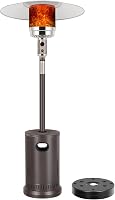
Can You Use a Patio Heater Under a Covered Patio?
You can sometimes use a patio heater under a covered patio, but only if its manual permits the setup. Meet all clearance, ventilation, mounting, and electrical requirements before use.
On this page (8 sections)
- Can you use a patio heater under a covered patio?
- Does propane or electric work better beneath a cover?
- How much clearance does a patio heater need from the ceiling?
- Which electric heater suits your covered patio layout?
- What should you check before the first use?
- How should you use and care for a covered patio heater?
- Which mistakes should you avoid beneath a patio roof?
- How do you decide whether to use a patio heater under your covered patio?
You can sometimes use a patio heater under a covered patio, but only if its manual permits that setup and your space meets every clearance and ventilation requirement. Electric models avoid combustion exhaust; propane models need the outdoor airflow their instructions require.
Choose the installation spot before choosing the heater. Ceiling height, roof material, open sides, available power, and seating position matter more than extra controls or a higher heat setting.
Can you use a patio heater under a covered patio?
Yes, when the exact model allows it and the whole installation fits its instructions. “Outdoor heater” alone does not mean a heater belongs beneath any roof, awning, or gazebo.
Start by identifying what surrounds the proposed position. Include low beams, plastic roof panels, wood trim, curtains, screens, and furniture rather than measuring only to the main ceiling.
A permanent roof and a fabric canopy are different structures. Don't assume approval for one covers the other, or that adding a shield makes an unsuitable installation safe.
Get the manual before buying. If it doesn't clearly address your roof type, mounting position, or enclosure, ask the manufacturer to confirm your proposed setup.
Does propane or electric work better beneath a cover?
Electric is often the more practical starting point for a fixed covered seating area, provided you have a suitable electrical supply. Propane adds combustion and ventilation requirements that can rule out tighter spaces.
Both types still need room around hot surfaces. Our guide to propane, electric, and infrared patio heaters explains the main designs and where each fits.
Can you use an electric patio heater under a covered patio?
An outdoor electric heater can suit a covered patio when its manual permits the location and mounting arrangement. Infrared designs direct warmth toward people and nearby surfaces, so placement relative to the seats matters.
Plan around the area you use most, such as a dining table or conversation corner. Don't expect one heater aimed at a single seating zone to make every part of an open patio equally warm.
Check the required outlet, circuit capacity, and cord route before ordering. Keep cords away from hot parts and walkways, and follow the manual's rules for extension cords.
Can you use a propane patio heater under a covered patio?
Use propane beneath a cover only when the manual expressly allows the setting. Never use an outdoor propane patio heater in an enclosed porch, and don't close curtains or panels around it to retain warmth.
Screens and partly closed sides can restrict airflow. Read whether you can use a patio heater indoors if your space feels more like a room than an open patio.
A standing heater also needs a firm, level surface and room outside busy paths. Review how to keep a patio heater from tipping over before placing one near seating.
How much clearance does a patio heater need from the ceiling?
Use the exact distances in the heater's manual, including overhead, side, front, and mounting clearances. There is no single ceiling gap that applies to every design.
Measure from the reference point shown in the instructions. The top of the housing, heating element, and mounting bracket are different points, so choosing the wrong one can give you a false sense of space.
How do you check whether the heater will fit?
Measure the finished installation, including the heater and any hanging hardware. Ceiling height alone doesn't tell you how much space remains above and below a suspended unit.
Check the nearest beam, fan, light, trim, and roof panel. Then check where chair backs, an open door, plants, or curtains could move during normal use.
Don't shorten a chain, alter a bracket, or add a heat shield unless the manufacturer approves it. If the required space won't fit, change the heater or location.
Which electric heater suits your covered patio layout?
Choose by mounting position and seating layout first, then compare controls. These 3 options address different spaces, but each needs its own manual checked against your measurements.
Hykolity: for seating beside a usable wall
Choose the Hykolity for a fixed seating area near a suitable wall. Its included mounting hardware supports a wall installation that leaves the floor clear.
The aluminum housing has IP55 dust and water protection. Hykolity also includes overheat protection and a timer adjustable up to 24 hours, though neither feature replaces correct placement or switching it off after use.
Skip it if the only available wall would place the heater behind the seats or too close to the roof. Compare wall-mounted patio heaters if your patio has a promising wall but needs a different arrangement.
Sundate: for several ways to adjust the heat
Choose the Sundate if you want app, remote, and touch controls for a fixed heating spot. Its 9 heat levels offer more adjustment steps than the other options here, rather than a higher maximum output.
The Sundate includes a timer of up to 24 hours. Confirm the approved mounting arrangement before buying, since its ceiling-mount specification and wall-mount description require clarification for your intended position.
Skip it if you want straightforward overhead installation without resolving that detail first. App control is useful for adjustment, but keep the heater in view and switch it off when the patio is empty.
Pasapair: for a central outdoor dining spot
Choose the Pasapair for seating centered beneath a suitable overhead support. Its included hanging chain keeps the floor clear, while the remote lets you adjust heat without reaching above the table.
Pasapair describes the carbon tube's glow as softer and lower glare, which suits evening meals where a bright heating glow would distract. Its IP24 protection covers splashing water, and it includes a child lock and overheat protection.
Skip it if the roof cannot support the installation or the hanging position would intrude on headroom. The child lock controls operation; it doesn't make hot surfaces safe to touch.
What should you check before the first use?
Check the complete installation with the patio arranged as you'll use it. Empty floor space can hide conflicts that appear once chairs, guests, and curtains are in place.
- Confirm the manual permits the location and roof type.
- Measure all required gaps after mounting or positioning.
- Check that the support and fasteners suit the structure.
- Confirm the electrical supply or propane setup follows the manual.
- Route cords and keep furniture outside the clearance area.
- Find the shutoff control and explain it to other users.
For propane startup, follow your model's instructions and read how to light a patio heater for general guidance. Stop if you smell gas or notice damaged parts rather than repeatedly trying to ignite it.
How should you use and care for a covered patio heater?
Keep the heater clear, clean, and switched off when unattended. A timer or automatic cutoff is a backup feature, not permission to leave it running after everyone goes inside.
Let the unit cool before cleaning, covering, or moving it. Disconnect electrical power or shut off the fuel as directed, then use the cleaning method in the manual.
Inspect mounting points, cords, guards, and visible connections before use. After storms, check for damage or loose hardware before switching the heater on again.
Wind can move fabric and furniture into a previously clear area. Recheck the surroundings whenever you change the patio layout, and don't hang towels or clothing near the heater.
Which mistakes should you avoid beneath a patio roof?
Don't trade required space or airflow for more warmth. Moving a heater closer to seats, lowering it beyond its approved position, or enclosing the patio can create a setup its instructions don't allow.
Weather protection also doesn't establish fire clearance. An IP rating concerns protection against dust or water, depending on the rating; it doesn't tell you how close the heater can sit to wood or fabric.
Don't add a second electric heater without checking the circuit's available capacity. For running-cost planning once the installation works, see how much an electric patio heater costs to run.
How do you decide whether to use a patio heater under your covered patio?
You can use a patio heater under a covered patio only when the model and structure fit together. If clearance, support, ventilation, or power cannot meet the instructions, choose another location or leave the area unheated.
Choose Hykolity for suitable wall-side seating, Sundate for flexible controls after confirming its mounting arrangement, or Pasapair for an overhead dining setup with enough headroom.
Use what size patio heater you need to plan the seating zone, and how much propane a patio heater uses if you're weighing fuel needs. Then narrow the suitable designs with our outdoor heaters for a covered patio guide.
Sources
- U.S. Consumer Product Safety Commission: Patio Heaters
- U.S. Fire Administration: Outdoor Fire Safety
Frequently asked questions
Can you use a propane patio heater under a covered patio?
Only use a propane patio heater under a covered patio if its manual permits that setting and you meet every clearance and ventilation requirement. A roof with open sides is not automatic approval.
Never use an outdoor propane patio heater in an enclosed porch or close curtains around it to hold heat.
How much clearance does a patio heater need from the ceiling?
The required ceiling clearance depends on the exact heater and mounting position, so use its manual rather than a general distance. Measure from the reference point shown in the instructions to the nearest overhead surface, including beams and fixtures.
If the required gap won't fit, choose another heater or location.
Is an electric patio heater safer under a covered patio?
An electric patio heater avoids combustion exhaust, which removes one concern with fuel-burning models. It still needs an approved outdoor location, correct electrical supply, secure mounting, and clearance from materials that can burn.
Choose by the installation requirements first, then compare controls and heat settings.
Can I use a patio heater under a covered porch with low ceilings?
Only if the installed heater fits every clearance required by its manual. A wall mount or hanging design does not automatically solve a low ceiling problem.
Include beams, trim, the heater's own depth, and its hanging position when measuring, and skip any model that cannot fit without altering its approved setup.