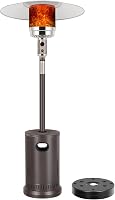
How to Light a Patio Heater
To light a patio heater, use its built-in ignition following the manual's control sequence. First place it outdoors on a stable surface, meet all required clearances, and complete the fuel-connection leak check.
On this page (9 sections)
- How do you light a patio heater safely?
- What should you check before opening the propane tank?
- What is the usual patio heater ignition sequence?
- Which propane heater suits your patio and startup routine?
- What should you do if the heater does not light?
- Can you use a lighter to start a patio heater?
- What should you do after the burner lights?
- How do you light a patio heater after storage?
- Which heater should you choose, and how should you light it?
To light a patio heater, use its built-in ignition in the sequence given in its manual, after checking the location, fuel connection, and controls. Exact knob positions and hold times vary by model.
This guide explains how to light a patio heater without guessing at those details. It also helps you choose between a standing, tabletop, and pyramid propane heater based on where you'll sit and how you'll use it.
For an overview of fuel choices and heater shapes, start with patio heaters explained. The steps below focus on propane models.
How do you light a patio heater safely?
Start with a stable outdoor setup and a completed leak check, then follow the model's ignition instructions. Have the manual open before you turn on the fuel.
- Place the heater on a firm, level surface with all required clearances.
- Check the hose, regulator, burner area, and connections for visible damage or debris.
- With the controls and tank valve off, connect and secure the correct cylinder.
- Complete the manual's leak-check procedure, never using a flame.
- Open the fuel supply and operate the ignition in the specified order.
- Check the flame as directed before adjusting the heat.
Keep people clear of the burner during startup. If ignition fails, shut off the controls and fuel as directed and observe the manual's waiting period before another attempt.
What should you check before opening the propane tank?
Check clearance, ventilation, and stability before opening the gas supply. A heater that fits into a space may still lack enough room to operate safely.
Measure the required distances from the heater to overhead surfaces, walls, furniture, umbrellas, and other items that can burn. Account for the whole heater, including its reflector, rather than measuring from the pole alone.
For a roofed space, read whether a patio heater can be used under a covered patio. Use propane there only if the heater manual permits the setup and you can meet its clearance and ventilation requirements.
Keep the heater out of walking routes and away from places where chairs may knock against it. A tip-over shutoff is a backup feature, not permission to use an uneven surface.
How do you prepare the propane tank before lighting a patio heater?
Use the cylinder type specified for your heater and secure it as instructed. Don't assume a small tabletop heater takes the same fuel connection as a full-size standing model.
Inspect the hose for cracks, kinks, or wear, and check that connections are properly seated. Don't force fittings or add adapters unless the manual expressly allows them.
Follow the connection leak-check procedure after attaching the cylinder. If bubbles indicate a leak, stop and resolve it according to the manual before lighting.
If you smell gas, don't attempt ignition or operate electrical switches nearby. Move away and contact your propane supplier or emergency services from a safe location.
Plan your fuel supply before an evening outdoors. Our guide to how much propane a patio heater uses explains why heat settings affect consumption.
What is the usual patio heater ignition sequence?
The usual process is to open the fuel supply, set the ignition control, and activate the igniter in the order specified for that heater. Some designs have a pilot position and require you to hold the control knob while lighting.
Read the labels before opening the gas so you know which control sparks and which controls fuel. Follow any separate instructions for holding the knob after a flame appears.
A common mistake is releasing the knob too soon or borrowing a hold time from another heater. Another is repeatedly pressing the igniter while leaving gas flowing after a failed attempt.
Keep your face away from the burner and use the intended viewing position to check ignition. Don't turn the heat up until the flame is established as the manual describes.
Which propane heater suits your patio and startup routine?
Choose by seating layout, available space, and cylinder size, then consider the ignition controls. A convenient start button won't make an oversized heater suitable for a crowded table or low roof.
The 3 models below offer built-in ignition in different formats. Compare where each will stand and how you'll store it before deciding.
Amazon Basics: for a standing patio setup
The Amazon Basics suits buyers who want a full-size standing heater beside an outdoor seating area. It has adjustable output up to 46,000 BTU, and Amazon Basics describes a heating radius of up to 9 feet.
It uses a 20-pound propane tank, sold separately, and includes a chain to secure the tank. Wheels help with positioning before use, while a water box allows you to add base weight as instructed.
Choose it if you have room for a tall heater and want adjustable heat for people seated nearby. Skip it if you need a tabletop unit or can't meet the clearances around its 91.3-inch height.
Secure the cylinder and prepare the weighted base before lighting. Move the heater only when it is off and cool, following its handling instructions.
Tangkula: for close seating around a table
The Tangkula suits a small outdoor seating group that can stay close to the heater. Its 11,000 BTU output and Tangkula's stated 2.5-foot heating radius make it a more focused choice than a standing patio model.
It uses a 1.02-pound propane cylinder, sold separately, and has a pilot flame. A weighted base, tip-over protection, and flameout protection are among its safety features.
Check table space before choosing it: the heater measures 21 by 21 inches and stands 38 inches high. Skip it if you need heat across widely spaced chairs or want to preserve most of a small dining surface.
Use a stable supporting surface that meets the manual's requirements. Keep plates, napkins, sleeves, and decorations outside the required clearance zone.
Patiopia: for a visible flame feature
The Patiopia suits buyers who want a glass flame tube as part of their patio setting. Its pulse ignition, adjustable heat settings, and control valve provide the startup and heat controls for this pyramid design.
It has wheels, a tip-over shutoff, and an included zippered cover. Choose it if the visible flame matters to your outdoor layout; skip it if you need a compact tabletop heater or lack room around a tall unit.
Remove the cover completely before use and let the heater cool fully before covering it again. Confirm the assembled height and required clearances in the manual before placing it beneath anything overhead.
For more help choosing the shape, compare pyramid and mushroom patio heaters.
What should you do if the heater does not light?
Shut off the controls and fuel supply as directed, then wait for the full period specified in the manual. Repeated ignition attempts aren't a substitute for finding the cause.
With the heater off and no gas odor present, check whether the cylinder has fuel and whether you followed the correct control sequence. If the igniter uses a replaceable battery, check it only as the manual permits.
Don't disassemble gas components, bypass safety devices, or keep operating a heater with a suspected fault. Contact the manufacturer or a qualified technician when the approved checks don't solve it.
If it catches and then goes out, follow our guide to why a patio heater won't stay lit. That symptom needs a different check from a burner that never ignites.
Can you use a lighter to start a patio heater?
Use a lighter only if the manual provides a manual-lighting procedure for that model. Follow the specified access point, control positions, and waiting times.
An opening near the burner isn't proof that it is a lighting port. Don't remove guards or reach into the burner to work around a failed igniter.
If no manual-lighting method is provided, leave the heater off until the ignition problem is resolved. Never use a match or lighter to locate a gas leak.
What should you do after the burner lights?
Check the flame against the manual's guidance, then adjust the heat for your seating area. Stop using the heater if the flame behaves abnormally or the unit shows signs of a fault.
Stay nearby during use and keep children, pets, and loose clothing away from hot parts. Don't move a running heater or use it to dry fabric.
Follow the complete shutdown sequence when you're finished, including the tank valve instructions. Allow all hot parts to cool before moving or covering the unit.
Propane patio heaters belong outdoors in approved locations. Read can you use a patio heater indoors? and how a patio heater tip-over switch works before relying on a safety feature to compensate for placement.
How do you light a patio heater after storage?
Inspect and clean the heater as instructed before reconnecting fuel. Storage can leave debris around burner openings, while moving the unit can loosen parts or damage a hose.
With the heater cool and fuel disconnected as directed, remove accessible dust or debris using the manual's cleaning method. Don't push objects into gas openings or alter burner parts.
Reassemble any permitted removable parts, reconnect the cylinder, and repeat the connection leak check. Then use the full startup procedure rather than assuming the heater is ready because it worked last season.
If it lights but shuts down, use the guide to a patio heater that won't stay lit. Leave damaged equipment out of service.
Which heater should you choose, and how should you light it?
Choose Amazon Basics for standing patio seating, Tangkula for a close tabletop group, or Patiopia for a pyramid flame feature. Rule out any model whose size or clearances don't fit your space before comparing ignition controls.
Knowing how to light a patio heater starts with knowing its exact controls and fuel connection. Keep its manual accessible, complete the pre-start checks, and stop after a failed attempt rather than improvising.
If your preferred spot is beneath a roof, check our guide to covered patio heater use before choosing the heater.
Frequently asked questions
How do you light a propane patio heater?
Use the built-in ignition in the sequence given in your heater manual. First place the heater outdoors on a stable surface, meet its clearance requirements, secure the correct fuel cylinder, and complete the connection leak check; then follow the instructions for opening the gas and operating the controls.
How long should you hold the ignition button on a patio heater?
Follow your heater manual's timing because the ignition button and control knob may have different roles. Some procedures require you to hold the control knob after a flame appears; if lighting fails, shut off the controls and fuel as directed and observe the full waiting period before another attempt.
Can you light a patio heater with a lighter?
Use a lighter only if your heater manual includes a manual-lighting procedure. Follow its specified lighting point, control positions, and timing exactly; without those instructions, shut off the heater and address the ignition fault rather than reaching into the burner or holding a flame near an opening.
Why will my patio heater not light?
An empty cylinder, closed fuel supply, incorrect control sequence, or ignition fault can prevent lighting. Turn the heater off before checking the items allowed in its manual; if you smell gas, move away, avoid flames and electrical switches, and contact your propane supplier or emergency services from a safe location.