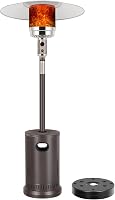
How to Keep a Patio Heater From Tipping Over
A patio heater tip over switch shuts the heater off when it tilts past its activation point. Keep the heater upright with level ground, approved ballast or anchors, and space away from foot traffic.
On this page (8 sections)
- What does a patio heater tip-over switch do?
- Which heater suits your patio surface?
- How do you set up a heater so it stays upright?
- Where should you place a freestanding patio heater?
- Does ballast make a patio heater safe in wind?
- How should you move and care for a patio heater?
- What should you do if a heater leans or falls?
- Which patio heater tip over switch setup should you choose?
A patio heater tip over switch shuts the heater off when it leans past its activation point, but keeping it upright starts with the base. Use firm, level ground, the manufacturer's approved ballast or anchors, and a spot away from moving chairs and passing feet.
Choose the heater around your patio surface before comparing heat output. A water-filled base may suit a paved patio, while anchoring spikes need a surface that accepts them and permission in the manual.
What does a patio heater tip-over switch do?
A tip-over switch provides a backup shutoff when the heater tilts. It doesn't hold the heater upright, prevent a fall, or remove the heat from parts that are already hot.
The shutoff angle varies by model. Hykolity specifies flame shutoff beyond 45 degrees, and DUMOS also specifies automatic shutoff beyond 45 degrees; Amazon Basics has a tilt safety auto-shutoff valve without an angle given here.
Don't use the activation angle as an acceptable operating lean. The heater should stand upright, with its base fully supported, before you light it.
Tilt protection and flame-out protection address different problems. DUMOS also cuts the gas supply if its flame goes out, but that feature doesn't replace securing the heater against tipping.
How do you check a patio heater tip-over switch?
Follow the manual's inspection procedure for your exact model. Don't deliberately tip a lit heater, bypass the switch, or change its mounting position to keep the burner running.
If the heater shuts down while standing upright, first turn it off and let it cool. Check for an uneven surface or loose assembly before following the manual's troubleshooting steps.
Repeated shutdowns need a cause, not a workaround. Our guide to why a patio heater won't stay lit covers other possible reasons a burner stops.
Which heater suits your patio surface?
Match the stabilizing system to the ground where you'll use it. These 3 propane heaters offer different combinations of ballast, tank restraint, and anchoring hardware.
For a broader look at fuel types and heater shapes, start with our guide to propane, electric, and infrared patio heaters.
Amazon Basics: for paved patios with room for a tall heater
Choose Amazon Basics for its water-ballast base and tank chain. It's a useful fit for a level, paved patio where ground spikes aren't practical.
This model provides 46,000 BTU with an adjustable control and one-touch ignition. Amazon Basics describes coverage up to a 9-foot radius, though wind and your seating arrangement affect how useful that warmth feels.
At about 32.1 inches across and 91.3 inches tall, it needs more room than its base footprint alone suggests. Measure overhead and side clearances using the manual, especially near roof edges or umbrellas.
It uses a 20 lb propane tank, which isn't included. Secure that tank with the supplied chain, and fill the water box only as directed.
Skip it if your space can't meet its clearances or the ground remains uneven. Its wheels help with moving it into position; they don't solve a poor operating location.
Hykolity: for open patios with space for a wider heater
Choose Hykolity if you want adjustable base ballast and a higher heat output. Its 50,000 BTU burner and adjustable control suit buyers arranging an outdoor seating area around a freestanding heater.
Hykolity describes coverage up to 200 square feet. Use that as a planning estimate rather than a promise that everyone across that area will feel equally warm.
The heater measures 33.6 inches across and 86.4 inches tall, so leave room for chairs to move without touching it. Its one-press ignition and wheels help with routine setup.
Despite “Sand Box” in the product name, the supplied details describe a weight-adjustable water tank. Confirm the approved fill material in the manual rather than assuming sand and water are interchangeable.
Skip this model if its footprint crowds your seating or if your main reason for choosing it is wind resistance. Added ballast doesn't make an exposed, gusty patio a suitable place to run a tall heater.
DUMOS: for spots where approved ground anchoring is possible
Choose DUMOS when you can use its anchoring spikes as directed. It also suits buyers who want an integrated round table and access to the tank shutoff through the tabletop opening.
This heater has a 48,000 BTU output, wheels, and a double-layer 304 stainless steel burner mesh. DUMOS describes an 18-foot heating diameter, but plan seating around actual comfort rather than filling that whole circle.
The spikes are the key buying distinction here. Before ordering, check that your intended surface accepts them and that the manual approves that setup.
Skip it if you need to secure it on concrete or decking and can't use the supplied anchors. Don't drive spikes into deck boards, drill mounting holes, or add alternate fasteners unless the manufacturer permits that method.
Keep the table's tank-access opening clear. A convenient surface for small items shouldn't become a place where guests gather tightly around the heater or block its controls.
How do you set up a heater so it stays upright?
Start with firm, level ground, then complete assembly and secure the base before lighting. Ballast can't correct a rocking base, and anchors can't make a sloped position level.
Check that all base edges sit firmly on the surface. Avoid placing part of the base on a paving joint, soft lawn edge, loose gravel, or another spot where it could settle unevenly.
Tighten assembly hardware according to the manual. A loose pole connection can let the upper section move even when the base itself sits flat.
Use the dedicated ballast container or anchoring points as directed. Don't hang weights from the pole, stack bricks around the tank compartment, or use furniture to brace the heater.
Keep tank access, ventilation openings, and controls clear. You should be able to reach the shutoff without moving chairs or unpacking objects piled against the base.
Before guests arrive, pull chairs back as people would when standing up. If a chair can hit the heater or someone must squeeze past its base, change the layout.
Where should you place a freestanding patio heater?
Choose an outdoor spot with room for both the required clearances and normal movement. The base footprint isn't the full space a heater needs.
Keep it away from doors, stairs, deck edges, and routes between the house and seating area. Watch for nearby umbrellas or furniture that could swing or slide into the heater.
Use the manual's clearances from walls, ceilings, furniture, and combustible materials. A heater that physically fits under a roof may still lack enough overhead space.
For roofed spaces, read whether a patio heater can go under a covered patio. Don't move a propane patio heater inside to escape wind; our guide to using patio heaters indoors explains that boundary.
If a freestanding model won't fit your layout, reconsider the heater type before buying. Our guide to choosing a patio heater for a porch or deck can help you narrow the options.
Does ballast make a patio heater safe in wind?
Ballast helps stabilize the base, but it doesn't make a heater suitable for every wind condition. Follow the manufacturer's limits and shut down before the heater starts moving or leaning.
A location can become windier as weather changes or doors and gates open. Check conditions throughout the evening, rather than relying only on how calm it felt at startup.
Don't attach a cover, tarp, or homemade wind shield while the heater runs. These can interfere with clearances, ventilation, or stability.
If the heater won't remain steady in an approved location, leave it off. Moving it closer to a wall or under a low roof can create a different hazard.
How should you move and care for a patio heater?
Shut it down and let it cool before moving, cleaning, or covering it. Follow the manual's instructions for the tank and any anchors before using the wheels.
Don't pull it by the reflector or use the top as a handle. After moving it, check the base again because a nearby spot may have a different slope or softer ground.
Inspect base connections and anchoring hardware for looseness, damage, or corrosion. Check the ballast container for leaks, and follow its storage guidance if freezing weather is possible.
Use the manual's cleaning method and keep controls accessible. For protection between uses, see whether you need a patio heater cover; fit a cover only after the heater has cooled.
What should you do if a heater leans or falls?
Keep people clear and shut it off only if you can do so safely. Don't try to catch a falling heater or hold it upright while the burner runs.
If you smell propane, avoid flames and electrical switches, move away, and contact your propane supplier or emergency services from a safe location. Don't approach again simply because the flame has gone out.
After a fall without signs of a leak, let the unit cool and follow the manual's inspection steps. Check the base, pole connections, burner area, and fuel connections, and have damage addressed before reuse.
A tilt shutoff doesn't confirm that the heater survived undamaged. Contact the manufacturer or a qualified service provider if you can't establish that it's safe to restart.
Which patio heater tip over switch setup should you choose?
Choose the base system first, then confirm tilt protection and clearance requirements. Pick Amazon Basics for water ballast and a tank chain, Hykolity for adjustable ballast on a roomy patio, or DUMOS where its spikes can be used correctly.
If none can stand level and stay clear of traffic, change the location or heater type. A patio heater tip over switch is the backup, while a stable setup does the everyday work.
Once the heater is secure and ready, follow our guide to how to light a patio heater alongside its own tank and ignition instructions.
Frequently asked questions
What does a patio heater tip-over switch do?
A patio heater tip-over switch shuts the heater off when it tilts past its activation point. The angle and mechanism vary by model, so check the manual for your heater's operation and inspection steps; the switch cannot prevent a fall, secure the base, or make a windy location suitable.
Should I add water or sand to a patio heater base?
Use only the fill material and amount specified for your heater's ballast container. Water and sand aren't interchangeable unless the manual allows both, and a product name alone isn't enough to choose the fill; avoid loose weights that could shift, block tank access, or become a trip hazard.
Can wind tip over a patio heater?
Yes, wind can tip a tall freestanding patio heater, especially on uneven ground or with an unsecured base. Follow the manufacturer's wind limits and shut the heater down before conditions become unstable; ballast and anchors help with placement, but neither makes every exposed location suitable for use.
What should I do if a patio heater tips over?
Keep people clear and follow the manual's shutdown instructions only if you can do so safely. Don't relight a damaged or leaking heater; if you smell gas, avoid flames and electrical switches, move away, and contact your propane supplier or emergency services from a safe location.