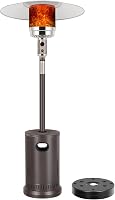
Why Won't My Patio Heater Stay Lit?
If your patio heater won't stay lit, check fuel supply, lighting steps, wind, and blocked airflow using its manual. If you smell gas, leave the area and call your propane supplier or emergency services from a safe location.
On this page (9 sections)
- Why won't my patio heater stay lit?
- What should you check before another lighting attempt?
- Could the lighting sequence be causing the shutdown?
- Can wind or a tilt switch make the heater go out?
- Could dirt or blocked airflow be the cause?
- When should you repair the heater instead of replacing it?
- Which replacement heater fits your patio?
- How can you reduce avoidable shutdowns?
- What should you do if your patio heater won't stay lit?
If your patio heater won't stay lit, start with fuel supply, the lighting sequence, wind, and airflow before assuming a part needs replacing. Turn it off and let it cool before making the checks allowed in its manual.
Gas odor changes the next step: leave the area and contact your propane supplier or emergency services from a safe location. Don't keep pressing the igniter to see whether the problem clears.
Why won't my patio heater stay lit?
A heater shuts down when fuel stops reaching the burner, the flame isn't detected, or a safety control interrupts operation. When the flame goes out helps narrow the checks, although it doesn't prove which part is faulty.
| What happens | What to check first |
|---|---|
| Flame dies when you release the knob | Correct knob-hold time and lighting sequence |
| Heater runs briefly, then fades | Remaining fuel and the manual's fuel-flow checks |
| Flame goes out during gusts | Wind conditions and approved placement |
| Shutdown follows rocking or movement | Level ground and possible tilt-switch activation |
| Flame stays weak or uneven | Fuel supply and accessible burner or air openings |
Use these clues to describe the problem when asking for service. Don't deliberately rock a running heater or reproduce a shutdown.
If the burner never lights, start with how to light a patio heater. This guide focuses on a flame that starts but won't remain steady.
What should you check before another lighting attempt?
Check fuel, visible hose condition, connection, and placement with the heater off and cool. Keep the tank valve closed during inspection, and follow the manual before reconnecting or opening the supply.
- Confirm that the cylinder contains propane using the cylinder maker's guidance.
- Look for cracks, cuts, kinks, or other visible hose damage.
- Check the connection and seal as instructed, without forcing fittings.
- Complete the manual's leak-check procedure before use.
- Confirm that the heater stands level with all required clearances.
A tight-feeling connection can still leak. Never use a flame to check for leaks, loosen a connection while gas is flowing, or add sealants unless the manufacturer specifically requires them.
Could low fuel explain why your patio heater won't stay lit?
Low fuel can leave the burner without a steady supply, especially as the cylinder approaches empty. Don't judge remaining fuel by how recently you connected the tank.
Output setting and hours of use affect consumption. See how long a propane tank lasts on a patio heater before deciding that a cylinder should still be full.
If the problem started after a cylinder change, review the connection and valve-opening sequence in the manual. Don't adjust the regulator or substitute a different one to increase flow.
Could the lighting sequence be causing the shutdown?
Releasing the control too soon can extinguish the flame on heaters that need a hold period after ignition. Follow your model's timing rather than borrowing instructions from a similar-looking heater.
On many propane heaters, a flame-sensing device must warm before the gas valve stays open. If the flame dies whenever you release the knob after the correct hold period, the sensor or control system may need service.
Don't wedge the knob down or keep holding it to work around the fault. After a failed attempt, turn the controls off and wait the interval required by the manual before trying again.
Can wind or a tilt switch make the heater go out?
Wind can disturb combustion, while movement can activate a tilt shutoff. Neither problem should be solved by bypassing protection or surrounding the heater with a homemade screen.
Choose stable, level ground away from foot traffic. Stop using the heater when conditions exceed its instructions, even if the base feels heavy enough to stay upright.
A weighted base helps with stability but doesn't make a heater suitable for strong wind. Wheels are for positioning a cool, unlit unit, not moving it while people are using it.
Don't tuck a propane heater into an enclosed corner or beneath a low roof to block gusts. Check whether a patio heater can be used under a covered patio before choosing a sheltered location.
If the heater shuts off repeatedly on level ground in suitable weather, contact the manufacturer. A safety device that interrupts normal use needs attention, not removal.
Could dirt or blocked airflow be the cause?
Debris in accessible burner areas or air openings can disrupt combustion. Close the propane supply, let the heater cool fully, and clean only the parts and surfaces identified in its manual.
Check for leaves, insects, and spider webs after storage. Don't push wire into gas openings, enlarge holes, or spray cleaners into controls.
If an obstruction lies beyond the permitted cleaning area, arrange service. Persistent soot, an unusual flame pattern, or continued shutdowns also call for professional advice.
Store the heater clean and dry, then cover it only after it has cooled. Our guide to patio heater covers explains how to protect it between uses.
When should you repair the heater instead of replacing it?
Arrange service when basic checks don't resolve the fault or when you find damage. A shutdown alone doesn't mean the whole heater needs replacing.
Ask the manufacturer whether approved replacement parts and repair support are available. Have a qualified propane service professional assess gas controls, the regulator, and flame-sensing parts rather than swapping components by appearance.
Replacement makes more sense when safe repair isn't practical or the heater no longer suits the space. More BTUs won't solve a poor location, and a new propane model still needs fuel checks, safe clearances, and regular care.
If you want to avoid cylinders and gas ignition, compare propane and electric patio heaters. An electric model still needs a suitable outdoor power supply and placement that meets its instructions.
Which replacement heater fits your patio?
Choose by usable space, clearances, stability, and upkeep before heat output. These 3 propane heaters offer different features, but none is a cure for an unresolved fault in your current heater.
Measure the available area and overhead space before ordering. For broader help matching fuel type and layout, read how to choose a patio heater for a porch or deck.
Amazon Basics: for an open patio with room for a tall heater
The Amazon Basics model suits buyers who want adjustable heat and a base designed for added weight. It has a water box, a tank-securing chain, and a tilt safety auto-shutoff valve.
Its dimensions are about 32.1 by 32.1 by 91.3 inches. Account for the required clearances beyond those dimensions; fitting the base into a gap doesn't make that spot suitable.
Skip it if you lack overhead room or want to avoid cylinder changes. During setup, follow the instructions for filling the weight box and securing the tank before lighting.
Hykolity: for buyers who want a weighted base
The Hykolity model suits an open, level patio where base weighting matters. It combines a conical base with an adjustable water tank and a double-layer 304 stainless steel burner mesh.
Despite “Sand Box” in the name, check the supplied instructions for the approved ballast material and fill amount. Don't assume sand and water are interchangeable.
Hykolity says its tilt protection extinguishes the flame beyond 45 degrees. Skip this model if your intended spot is sloped or frequently gusty; ballast and shutoff protection don't make those conditions suitable.
FOOWIN: for buyers who prefer a glass-tube design
The FOOWIN model suits buyers who want a pyramid heater with a visible flame. It has an aluminum and stainless steel body, a quartz glass tube, and an included waterproof cover.
At 50.7 pounds, it needs a practical route between its operating spot and storage. Wheels help on a suitable surface, but steps and uneven paths still need planning.
Skip it if you want to avoid caring for a glass tube. Follow its assembly and cleaning instructions carefully, and let every heated part cool before fitting the cover.
How can you reduce avoidable shutdowns?
Use the same fuel, lighting, and placement checks each time, especially after storage or a cylinder change. Keeping the manual nearby is more useful than remembering a generic lighting routine.
Check visible hose condition before use and keep the base level. Before seasonal storage, clean the permitted areas and follow the manufacturer's cylinder-storage instructions.
Judge warmth separately from flame stability. If the heater stays lit but leaves guests cold, how patio heaters work can help you rethink the seating arrangement and heater type.
What should you do if your patio heater won't stay lit?
If your patio heater won't stay lit, correct an allowed fuel, lighting, placement, or cleaning issue first. If the fault returns, stop relighting it and arrange service.
For replacement, choose Amazon Basics for its tall format and tank-securing features, Hykolity for its adjustable base weighting, or FOOWIN for its glass-tube design. Skip any option whose clearances, fuel needs, or storage route don't fit your patio.
Before the next start, review the steps for lighting a patio heater alongside your model's manual.
Frequently asked questions
Why does my patio heater light and then go out?
A patio heater can light and then go out because the flame sensor hasn't warmed, fuel flow is interrupted, or wind disturbs the flame. Note whether it stops when you release the control or after several minutes, then follow the manual's checks without opening gas controls or bypassing sensors.
How long should I hold the patio heater control knob?
Hold the control knob for the time stated in your heater's manual. Some models need a brief hold after ignition so the flame sensor can warm, but there is no single timing rule for every heater.
If it still shuts off after the correct sequence, stop repeated attempts and seek service.
Can wind make a patio heater go out?
Yes, wind can disturb or extinguish a patio heater's flame. Stop using it when gusts prevent a steady flame, and follow the manual's wind limits and placement rules.
Don't add a homemade wind shield or move the heater closer to walls, curtains, or a roof to keep it burning.
What should I do if I smell gas near my patio heater?
If you smell gas, don't light the heater, operate nearby switches, or use a phone near it. Shut off the supply only if safe, then leave the area.
From a safe location, contact your propane supplier or emergency services, and don't return until responders say it's safe.