How Does a Patio Heater Work?
A patio heater works by turning propane or electricity into radiant heat that warms people and nearby objects. Propane models heat a burner with a flame, while electric models heat an element.
On this page (9 sections)
- How does a patio heater work?
- How does a propane patio heater make heat?
- How does an electric infrared patio heater work?
- What parts affect where the warmth goes?
- Why does one patio seat feel warmer than another?
- How much heat does your seating area need?
- What should you check before the first use?
- What care and use mistakes should you avoid?
- Which patio heater should you choose?
A patio heater works by turning propane or electricity into radiant heat that warms people and nearby objects. Propane models heat a burner with a flame, while electric models heat an element.
You feel that heat directly, much as you feel warmth from sunshine on a cool day. The heater doesn't need to bring all the air on your patio to a steady temperature.
The useful buying question is where that warmth will reach. Match the heater to your seats, available space, and fuel or power supply before comparing output numbers.
How does a patio heater work?
A patio heater sends infrared radiation toward people and surfaces, while some of its energy also warms the surrounding air. Outdoors, radiant warmth is useful because moving air quickly carries away heated air.
The burner or electric element creates the heat. A reflector, where fitted, helps direct it toward the seating area rather than letting as much escape upward.
Distance matters because the heat spreads out as it travels. A chair near the edge of the warm zone can feel quite different from one closer to the heater, even on the same patio.
For a broader look at common designs, see propane, electric, and infrared patio heaters explained.
How does a propane patio heater make heat?
A propane patio heater burns gas supplied by a tank to heat its burner. A regulator controls the gas supply, and the heater's controls let you start the burner and adjust its output.
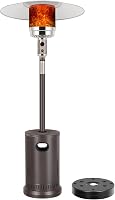
Many standing designs place the burner high above the ground, under a reflector that directs warmth downward and outward. They suit open seating areas where the heater can stand clear of furniture and overhead materials.
Who should choose the Amazon Basics propane heater?
The Amazon Basics model suits an open patio without a convenient outlet. Its adjustable output lets you reduce the heat when everyone is sitting closer or the evening is mild.
Amazon Basics describes coverage of up to a 9-foot radius. Plan around the seats you need to warm rather than assuming that every point within that radius will feel equally comfortable.
It needs a separate 20 lb liquid propane tank, which isn't included. A water box adds base weight, a chain secures the tank, and a tilt shutoff provides a backup if the heater tips.
Skip it if your space can't accommodate a tall, freestanding heater: it measures about 32.1 inches across and 91.3 inches high before allowing for required clearances. Wheels help with positioning, but move it only after shutdown and cooling.
Follow the model's lighting sequence rather than repeatedly pressing the igniter. Our guide to how to light a patio heater explains the basic process.
How does an electric infrared patio heater work?
An electric infrared heater passes electricity through an element that radiates heat toward nearby people and objects. It avoids tank changes, but its location depends on a suitable outlet and a safe cord route.
Unlike propane, it doesn't produce combustion gases at the heater. That doesn't make every location suitable: clearance, electrical supply, and weather limits still apply.
How does the Haimmy patio heater work for close seating?
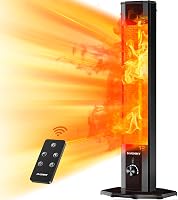
The Haimmy tower uses a carbon fiber heating wire to deliver focused radiant warmth. It suits a chair or compact seating group where the tower can face people without furniture blocking the heat.
Its settings range from 620 to 1,500 W, and the remote lets you adjust output without leaving your seat. A 1–9 hour timer helps limit run time, though you should still switch it off when leaving the area.
Tip-over shutoff, overheat protection, and a safety lock provide useful controls. Its IPX5 water-resistance rating doesn't make the plug connection waterproof or permit every kind of weather exposure.
Choose it for focused warmth and easy adjustment near suitable power. Skip it if reaching your seats would require an unsafe cord route or if you expect one tower to warm a large, scattered group.
For help comparing the fuel choices, read electric vs propane patio heaters.
What parts affect where the warmth goes?
The heater's shape, reflector, and height affect which seats receive direct warmth. Controls change output, while the base and safety devices help support correct operation.
A tall propane heater and a lower electric tower can serve the same patio differently. Think about whether the heat will reach your upper body, legs, or an obstruction before it reaches you.
Who should choose the Hykolity propane heater?
The Hykolity suits an open gathering area where a table-style design is useful. It combines a double-layer 304 stainless steel burner mesh with wheels and a weight-adjustable water tank.
Hykolity describes coverage of up to 200 square feet. Its one-press ignition and adjustable control valve suit users who want straightforward starts and manual heat control.
The heater measures 33.6 inches across and 86.4 inches high, so allow room for both its footprint and the manual's clearance distances. Hykolity says its tilt protection extinguishes the flame beyond 45 degrees.
Choose it if the table-style layout fits your gathering space. Skip it for a narrow walkway or a cramped seating area, and don't choose it solely for its higher output compared with the Amazon Basics model.
Why does one patio seat feel warmer than another?
A seat feels warmer when it has a clear path to the heater and sits within its useful range. Tables, chair backs, planters, and other people can interrupt that path.
Place the heater with the seating arrangement in mind before turning it on. Avoid putting a tower behind a solid sofa or expecting radiant heat to travel around a corner.
Wind also increases heat loss from your body and carries away warm air. Turning the heater higher may help nearby seats, but it won't make an exposed patio feel like an enclosed room.
A roof or wind barrier changes the safety assessment as well as comfort. Read using a patio heater under a covered patio before choosing a sheltered position.
How much heat does your seating area need?
Choose output for a defined seating zone, not just the patio's total floor area. A close group around one table is easier to serve than chairs spread across opposite ends of a deck.
BTU and watt figures describe energy output or input, depending on the specification. They don't account for every difference in reflector shape, wind, distance, and how directly the heat reaches you.
Coverage figures also need context. A radius describes a different shape from a square-foot area, so don't compare those numbers as if they were the same measurement.
Sketch your seats, doors, walking routes, and available heater positions. Our guide to what size patio heater you need helps turn that layout into a more useful choice.
What should you check before the first use?
Check placement, assembly, and fuel or power connections before starting the heater. Read the manual's clearance diagram, including distances above the heater and around its sides.
Use a firm, level surface, secure all assembled parts, and add approved base weight as directed. Keep the heater out of door swings and routes where someone could trip over its base or cord.
For propane, inspect the hose and regulator and follow the prescribed leak-check procedure after connecting the tank. Never check for a leak with a flame; if you smell gas, stop use and follow the emergency instructions.
For electric heat, confirm that the outlet and circuit meet the heater's requirements. Follow its cord instructions, keep connections dry, and don't run a cable under a rug or through a pinch point.
Outdoor-only propane heaters need open-air ventilation. Read can you use a patio heater indoors? before considering a garage, enclosed porch, or similar space.
What care and use mistakes should you avoid?
Keep the heater clean, stable, and clear of obstructions rather than relying on automatic shutoff features. Those devices don't replace safe placement or regular checks.
- Don't move it while operating or hot. Shut it down and let it cool before repositioning.
- Don't use it as a drying rack. Keep towels, clothing, covers, and decorations away from hot parts.
- Don't ignore dirt or damage. Check guards, connections, and burner openings as the manual directs, without altering or enlarging openings.
- Don't cover it while warm. Let it cool fully, then use storage protection suited to the model.
Before each use, look for loose parts, damaged cords or hoses, and signs that the heater is unstable. Stop using it if a safety device repeatedly shuts it down until the cause is resolved.
For storage and weather protection, see whether you need a patio heater cover.
Which patio heater should you choose?
Understanding how a patio heater works gives you a simple decision rule: choose the model whose heat can reach your seats from a permitted location. Settle placement first, then fuel and controls.
Pick Amazon Basics for a conventional standing propane setup with adjustable heat and a weighted base. Choose Hykolity if its table-style layout better fits your open gathering area.
Choose Haimmy for focused electric warmth near a suitable outlet, especially when remote adjustment is useful. Skip a freestanding model if you can't preserve its clearances and a safe walking route.
For propane, plan for refills as part of regular use; how long a propane tank lasts on a patio heater explains what affects run time.
If none of these layouts fits, review patio heater types and designs before buying a heater you can't place well.
Frequently asked questions
How does a patio heater work?
A patio heater converts propane or electricity into radiant heat that warms people and nearby surfaces. Propane burns at a burner, while electricity heats an element; the warmth reaches you directly, so you don't need to heat all the air on an open patio to feel a benefit.
Do patio heaters heat the air or people?
Patio heaters warm people and objects directly with radiant heat, though they also warm some surrounding air. Outdoors, that warm air can quickly escape, so comfort depends heavily on distance and direction.
A person facing the heater may feel warmer than someone behind furniture that blocks its heat.
How does an electric infrared patio heater work?
An electric infrared patio heater sends current through a heating element, which releases radiant heat toward people and surfaces. It needs no propane tank, but placement still matters: the heat must reach your seat, and the outlet, clearances, cord arrangement, and weather exposure must meet the heater's instructions.
How does a propane patio heater make heat?
A propane patio heater burns fuel delivered from a tank through a regulator and hose to its burner. The hot burner radiates warmth, and many standing models use an overhead reflector to direct it downward and outward.
Safe operation requires outdoor ventilation, correct connections, stable placement, and the specified clearances.