How Much Does an Electric Patio Heater Cost to Run?
Estimate electric patio heater cost to run with watts ÷ 1,000 × hours × electricity rate per kilowatt-hour. At an example rate of 20 cents per kWh, a 1500W heater costs 30 cents per hour at full power.
On this page (10 sections)
- How do you calculate electric patio heater cost to run?
- How much should you budget for evenings and monthly use?
- Which heater suits a small seating spot?
- Which heater gives you more control over running costs?
- Which heater suits a simpler heating routine?
- What makes a patio heater feel worth its running cost?
- How should you set up and care for an electric patio heater?
- Which mistakes waste electricity or create problems?
- Is electric cheaper to run than propane?
- How should electric patio heater cost to run guide your choice?
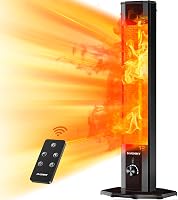
An electric patio heater’s cost to run equals its watts divided by 1,000, multiplied by hours of use and your electricity rate per kilowatt-hour. At an example rate of 20 cents per kWh, a 1500W heater costs 30 cents per hour at full power.
The useful buying question is how much power you need to stay comfortable where you sit. A smaller heater saves electricity only if its warmth reaches you without requiring longer sessions or a second heater.
How do you calculate electric patio heater cost to run?
Use watts ÷ 1,000 × hours × electricity rate per kilowatt-hour. Watts measure power draw, while kilowatt-hours measure the energy you pay for.
For a 1500W heater used for 3 hours, the calculation is 1.5 × 3 × your rate. At 20 cents per kWh, that session costs 90 cents.
Find your per-kWh rate on your electricity bill, including any per-kWh delivery charges that apply. Fixed monthly charges usually stay the same whether you run the heater or leave it off.
If your plan has time-of-use rates, use the rate for your patio hours. For sessions spanning different rate periods, calculate each period separately and add the totals.
Electric patio heater running costs by wattage
Higher wattage means higher hourly energy use while the heater runs continuously. These examples use full power and exclude additional applicable taxes or fees.
| Power draw | Energy used in 1 hour | Cost at 15 cents/kWh | Cost at 20 cents/kWh | Cost at 30 cents/kWh |
|---|---|---|---|---|
| 620W | 0.62 kWh | 9.3 cents | 12.4 cents | 18.6 cents |
| 900W | 0.9 kWh | 13.5 cents | 18 cents | 27 cents |
| 1500W | 1.5 kWh | 22.5 cents | 30 cents | 45 cents |
Don't divide a heater's maximum wattage by its number of settings. Use the stated wattage for the setting you choose, or use maximum draw as a cautious budget estimate.
How much should you budget for evenings and monthly use?
Multiply one evening’s energy use by the number of evenings you expect to spend outside. This makes occasional use and a regular patio routine easy to compare.
At 20 cents per kWh, a 900W heater running continuously for 4 hours costs 72 cents. The same session at 1500W costs 1.20 dollars.
Over 12 such evenings, those examples total 8.64 dollars and 14.40 dollars, respectively. These are energy costs based on an assumed rate, rather than a prediction of your bill.
If you change settings halfway through an evening, calculate the two parts separately. Include every heater in the total if your seating layout needs more than one.
Which heater suits a small seating spot?
The SereneLife 900W Infrared Patio Heater suits a close seating spot where modest output is enough. SereneLife states coverage of up to 15 sq. ft., so this is a focused option rather than a heater for a spread-out group.
Its remote lets you adjust the heater without leaving your chair. SereneLife specifies IP65 protection and includes a tip-over switch, overheat protection, and a mesh guard.
Choose it for a small seating nook where you can place it at the required safe distance. Skip it if several people sit far apart or you need warmth across an open deck.
The lower draw means 40% less electricity than 1500W operation over the same time. That saving doesn't establish equal comfort, so don't choose it on consumption alone.
Which heater gives you more control over running costs?
The Vagkri 42-Inch Infrared Patio Heater suits people who want to adjust output as the evening cools. Its 9 power settings span 620W to 1500W, giving you a defined low-power option and room to increase heat.
A remote and a timer adjustable from 1 to 24 hours help manage each session. Choose this model if you regularly move between mild and colder conditions and will use the extra settings.
Skip it if you prefer simple controls or expect to leave every heater at maximum power. At equal power draw and run time, extra settings don't create an energy saving by themselves.
Start low while seated in the intended spot, then raise output if needed. This helps you find a useful setting without assuming full power is necessary every evening.
Which heater suits a simpler heating routine?
The Hykolity 38.5-Inch Electric Patio Heater suits buyers who want fewer heat choices plus a shut-off timer. It pairs 2 heat levels with a 1500W maximum output.
The remote and timer, adjustable up to 24 hours, suit planned sessions such as an evening meal. Its tip-over shut-off and overheat protection add safeguards, but you still need to supervise use.
Choose Hykolity if a simple lower-or-higher choice fits your routine. Skip it if you want fine power adjustments or need a known minimum wattage for a strict energy budget.
Its lower setting's wattage isn't specified here, so confirm that figure before budgeting around it. For other choices, compare the best electric patio heaters and the best infrared patio heaters.
What makes a patio heater feel worth its running cost?
Placement and seating layout determine how useful the heat feels. Infrared heaters warm people and surfaces directly, so aim warmth toward occupied seats and keep the path clear.
A table, chair back, or other solid obstacle can block radiant heat. Move the heater only when it is off and cool, following its instructions for safe placement.
Wind can still make you feel cold even when radiant heat reaches you. A suitable sheltered position may improve comfort, but never reduce required clearances or surround the heater with curtains or furniture.
Use our patio heater size guide to assess your seating layout before choosing output. For the broader differences between heat sources, see patio heaters, including propane, electric, and infrared.
How should you set up and care for an electric patio heater?
Start with a suitable outlet, stable placement, and the clearances in the manual. Check the heater's electrical requirements against the circuit and other appliances sharing it.
Plug directly into an appropriate outlet, using outdoor GFCI protection as required. Avoid power strips; use an extension cord only if the manufacturer permits one and specifies the type and capacity.
Keep cords clear of walking routes, standing water, and pinch points. Weather protection doesn't make every part safe to expose, so follow the instructions for the plug, connections, and storage.
For a roofed area, check patio heater use under a covered patio before choosing a position. Roof materials and overhead clearance matter as much as floor space.
Unplug the heater and let it cool before cleaning. Remove dust as directed, inspect the cord and plug regularly, and stop using it if you find damage or scorching.
Which mistakes waste electricity or create problems?
Heating empty space and running longer than needed are avoidable costs. Set a shut-off timer around your planned session, then turn the heater off when everyone goes inside.
- Treating a timer as supervision: Stay nearby while the heater runs.
- Assuming more settings mean lower bills: Savings come from drawing fewer watts or running for less time.
- Expecting warmth across a whole patio: Match the heater to occupied seats.
- Treating a guard as safe to touch: Keep children, pets, and loose clothing away.
- Covering a warm heater: Let it cool fully before covering or storing it.
If floor space makes safe placement difficult, consider wall-mounted patio heaters. A fixed position still needs the right clearances, mounting surface, and electrical supply.
Is electric cheaper to run than propane?
Compare local fuel costs alongside useful warmth, since equal running time doesn't mean equal heating performance. Electric and propane heaters can serve different seating layouts and exposure levels.
Estimate electricity with the formula above, then calculate propane use for a similar session. Our guide to how much propane a patio heater uses explains that side of the calculation.
Also consider outlet access, fuel storage, and where each heater can operate. Read electric vs. propane patio heaters before changing fuel types to save on running costs.
How should electric patio heater cost to run guide your choice?
Choose SereneLife for a small, close seating spot, Vagkri for finer power control, or Hykolity for a simpler two-level routine. Skip any option that can't safely reach the seats you want to warm.
Before ordering, write down your intended setting, hours per evening, and evenings per month. Calculate electric patio heater cost to run for that routine, then check placement and outlet access.
Compare the best electric patio heaters if you need another layout or control style. If your seating area calls for a different heat source, use patio heaters explained to choose the next direction.
Frequently asked questions
How much does it cost to run a 1500W patio heater?
A 1500W patio heater costs 30 cents per hour at an example electricity rate of 20 cents per kWh. Calculate your own figure by multiplying 1.5 by your rate per kWh, then by your hours of use, assuming continuous operation at full power.
Are infrared patio heaters expensive to run?
Infrared patio heater running costs depend on wattage, time, and your electricity rate. Infrared heat can suit a nearby seating spot because it warms people and surfaces directly, but it doesn't change the cost formula or make two heaters drawing the same power cost different amounts to operate.
Does a patio heater use a lot of electricity?
A 1500W patio heater uses 6 kWh during 4 hours of continuous full-power use. To judge the effect on your bill, multiply that by your electricity rate and the number of evenings you plan to use it, allowing for any time spent off or at a lower setting.
Is an electric patio heater cheaper to run than propane?
Neither fuel is always cheaper: compare your electricity rate with propane refill costs and the heaters' consumption. Calculate both for the same session length, then check whether each setup warms your seating area well enough, since a low hourly cost offers little value if you're still cold.